Event Logistics Workshops
Educational sessions designed to share practical knowledge about organizing artisan fairs, food markets, and cultural events. These workshops cover the systems, processes, and considerations involved in successful event coordination.
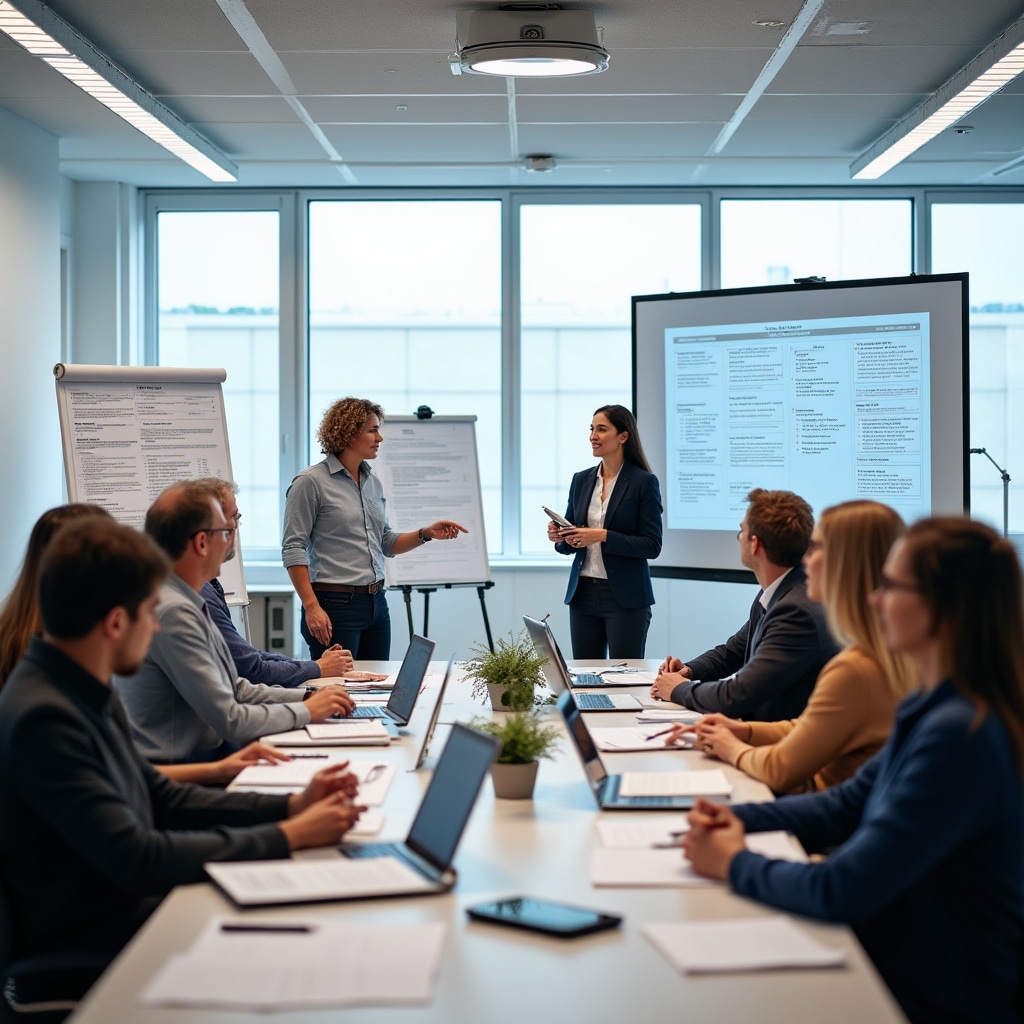
Municipal Permitting Process
Understanding the permitting process is fundamental to organizing legal, compliant events. This workshop walks through the documentation requirements, application procedures, and timeline considerations for various event types in Bariloche. Participants learn what permits are needed for different activities, how to prepare applications that meet municipal standards, and how to coordinate with relevant departments.
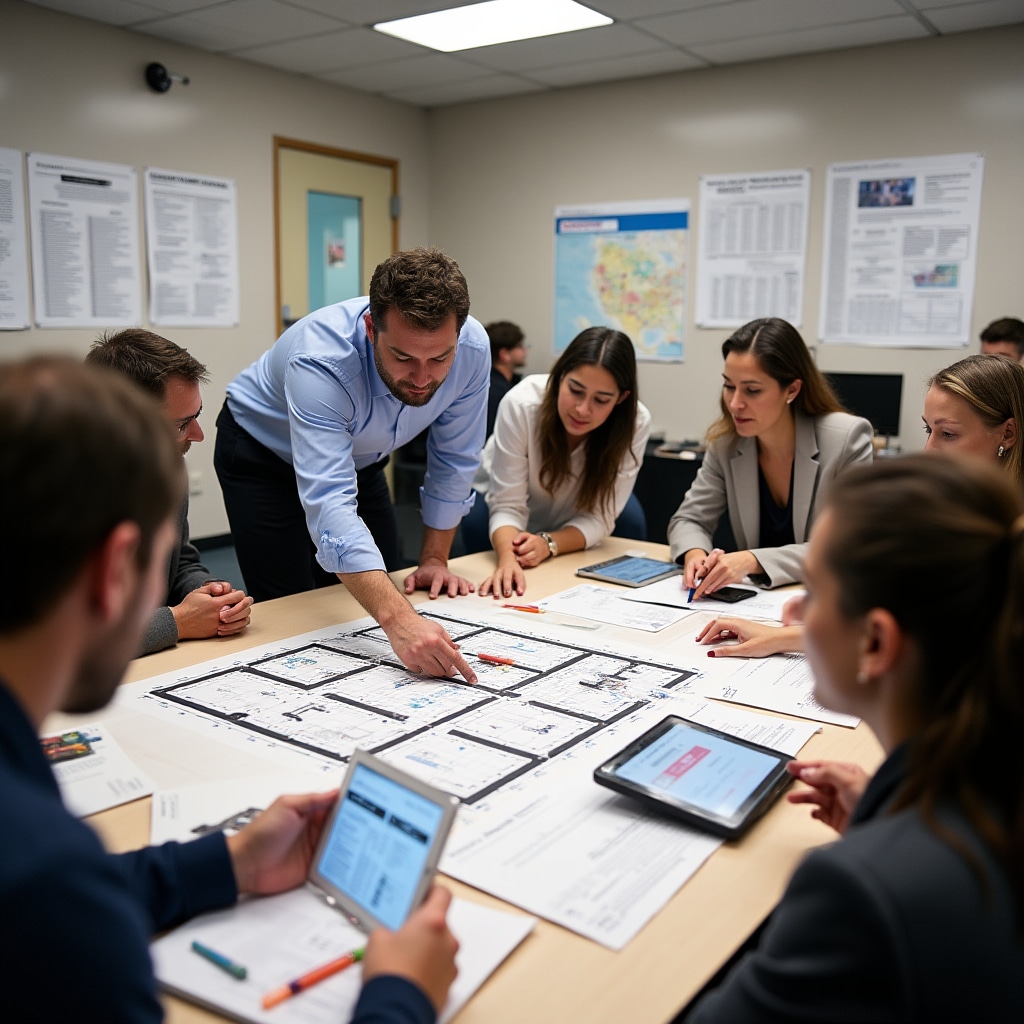
Vendor Coordination Systems
Effective vendor management requires clear systems for communication, selection, and logistics. This workshop covers how to create compelling calls for exhibitors, evaluate applications based on quality and fit, manage vendor communications throughout the planning process, and coordinate day-of logistics. Participants learn to build vendor management systems that ensure quality participation while maintaining clear expectations.

Site Planning and Layout Design
Strategic space planning affects both vendor success and visitor experience. This workshop teaches how to design booth layouts that optimize space usage, create logical traffic flow, ensure accessibility, and meet safety requirements. Participants learn to consider factors like vendor visibility, crowd management, emergency access, and amenity placement when designing event configurations.
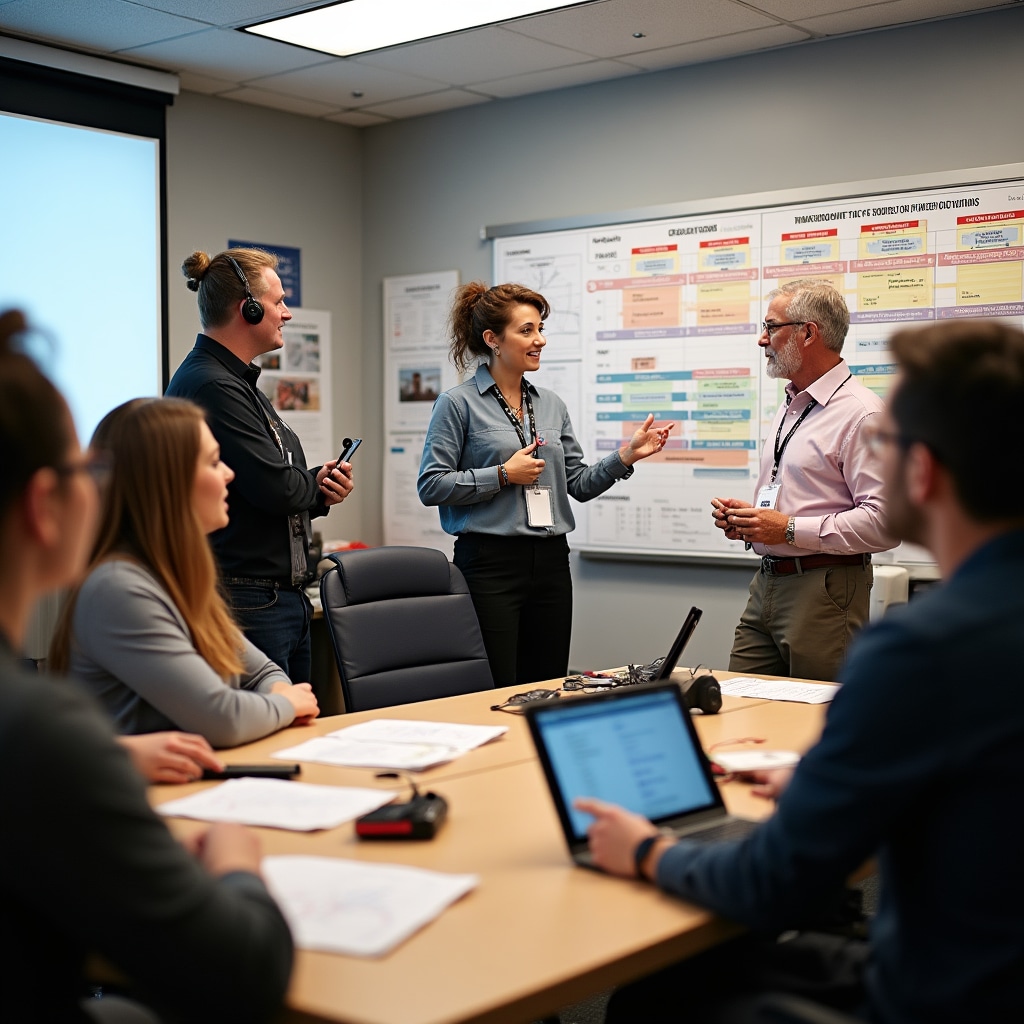
Day-of-Event Operations
Event day requires coordinated execution across multiple operational areas. This workshop covers setup supervision, vendor support systems, timing management, problem-solving approaches, and communication protocols. Participants learn how to create operational checklists, manage teams effectively, handle unexpected situations, and ensure smooth transitions throughout the event.
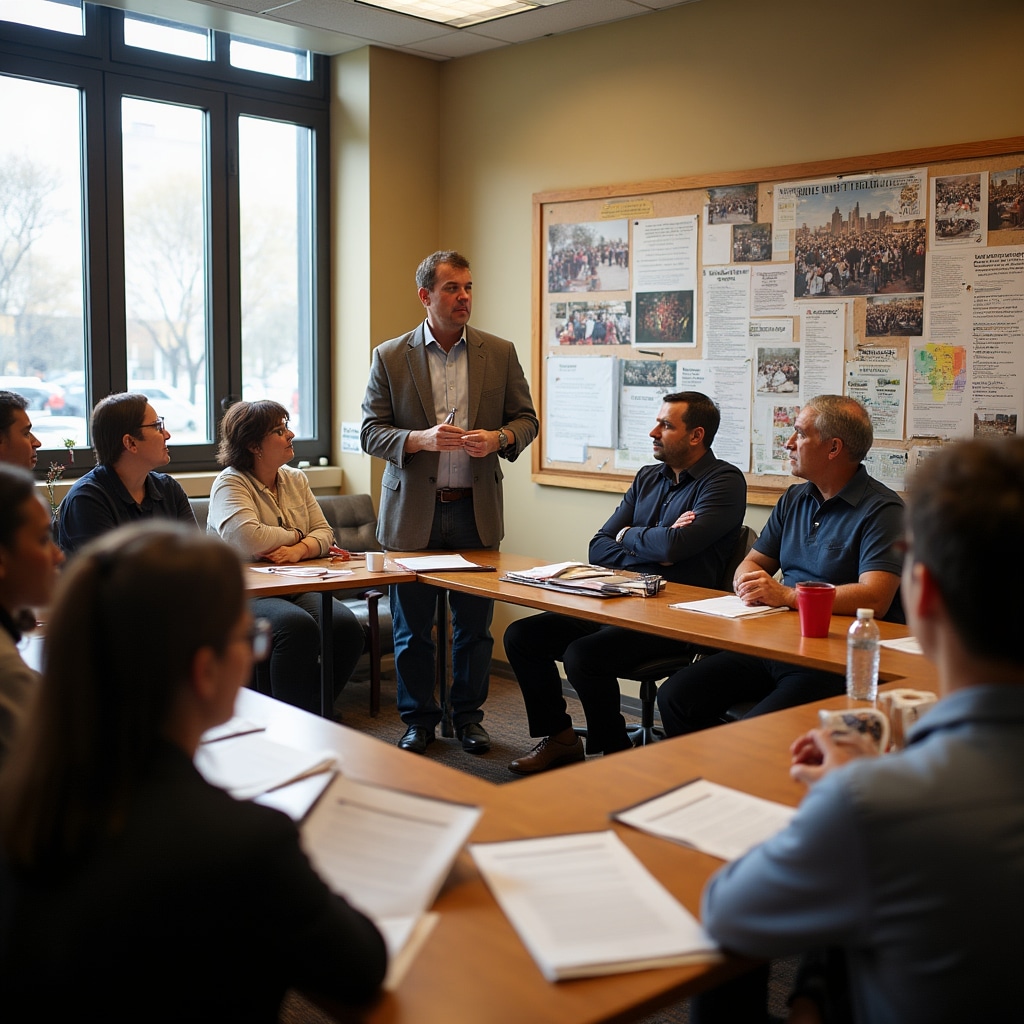
Community Engagement Strategies
Events succeed when they connect meaningfully with their communities. This workshop explores how to identify community stakeholders, build relationships with neighborhood organizations, integrate local culture into event planning, and create programming that resonates with residents. Participants learn approaches for ensuring events contribute positively to community life.